
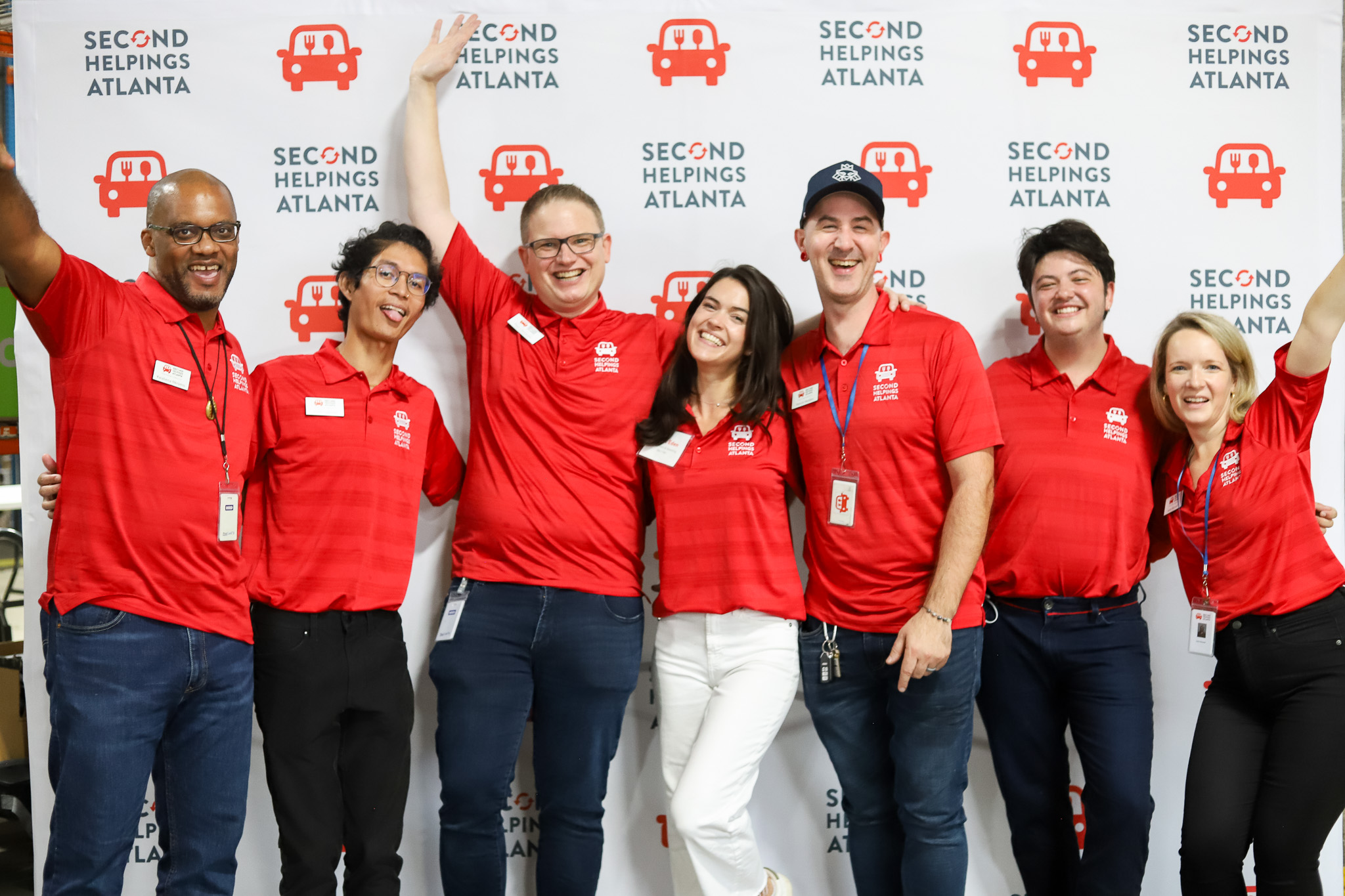
Food Rescue Hero is thrilled to announce that Second Helpings Atlanta has joined the Food Rescue Hero Network!
Now, residents in the Atlanta region can use the Second Helpings Atlanta app or visit secondhelpingsatlanta.org to join the mission of rescuing food and fighting hunger in their community.
As part of our work to build stronger food recovery systems, we are so excited to announce that Second Helpings Atlanta, located in Atlanta, GA, has launched the Second Helpings Atlanta app, powered by Food Rescue Hero – available for download today!
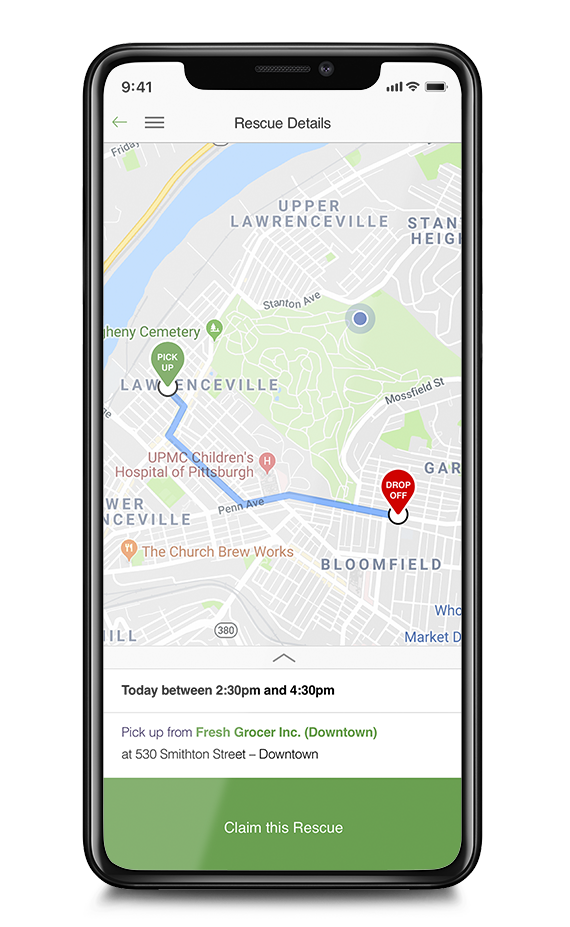
Joining more than 20 other food rescue organizations to adopt Food Rescue Hero’s technology, Second Helpings Atlanta will have access to cutting-edge tools to coordinate food rescues, manage logistics, and report on their progress, all aimed at reducing food waste and supporting those facing food insecurity in the Greater Atlanta community.
“Launching the Second Helpings Atlanta app powered by Food Rescue Hero is a major step forward in how we rescue food across Metro Atlanta. As demand for food assistance grows and the landscape of surplus food continues to shift, we have to be smarter, faster, and more data-driven. This platform gives us the operational backbone to do exactly that — optimizing routes, tracking every rescue in real time, and ensuring more good food stays out of landfills and lands on people’s plates. With Food Rescue Hero, we’re building a more efficient, tech-enabled model for hunger relief that will help us scale our operations and expand our mission for years to come.”
– Paul Clements, Executive Director, Second Helpings Atlanta
Second Helpings Atlanta’s efforts will bring vital resources to the community. We’re honored to support Second Helpings Atlanta in bridging the gap between food waste and food insecurity and look forward to the incredible impact they’ll make.
Want to grow impact in your community?
Our model merges technology, civic engagement, and public-private partnerships to introduce a new transport and distribution model that transforms surplus food into a resource and changes the way we approach food access.
And we are seeing sustainable, scalable and measurable impact.